Nardi FN-333 Просмотр ZIP-архива
FN-333/FN-333/FN333_ref.htm
<body bgcolor="#3399FF" background="docs_files/docbkg.jpg" text="#FF6600" link="#FFFF00" vlink="#FFFF00" alink="#FFFF00">
<p><strong><font color="#FF6600" size="5" face="Verdana, Arial, Helvetica, sans-serif">Nardi
  FN-333 Riviera Handbook:</font></strong></p>
<p><font color="#FF6600" size="4" face="Verdana, Arial, Helvetica, sans-serif"><strong><em>Startup
  Procedure:</em></strong></font></p>
<p><font color="#FF6600"><em><strong><font size="4" face="Verdana, Arial, Helvetica, sans-serif"><img src="Docs_files/FN333_startup.jpg" width="200" height="160"></font></strong></em></font></p>
<p><font color="#FF6600" face="Verdana, Arial, Helvetica, sans-serif"><strong>To
  Startup the engine, first check if:</strong></font></p>
<p><font color="#FF6600"><strong><font face="Verdana, Arial, Helvetica, sans-serif">Mixture
  : 100%<br>
  Fuel Pump: ON<br>
  Fuel Valve: OPEN<br>
  Fuel Selector: BOTH<br>
  Magnetos: BOTH<br>
  Throttle: 0%</font></strong></font></p>
<p><font color="#FF6600"><strong><font face="Verdana, Arial, Helvetica, sans-serif">Then
  turn the starter key and wait for the engine to start. Idling RPM is around
  1000.</font></strong></font></p>
<p><font color="#FF6600"><strong><font size="4" face="Verdana, Arial, Helvetica, sans-serif">Taxiing-
  GROUND:</font></strong></font></p>
<p><font color="#FF6600"><strong><font size="4" face="Verdana, Arial, Helvetica, sans-serif"><img src="Docs_files/FN333_taxi.jpg" width="200" height="160"></font></strong></font></p>
<p><font color="#FF6600" face="Verdana, Arial, Helvetica, sans-serif"><strong>Taxiing
  on ground is accomplished by just adding a little of power and steering with
  Rudder Pedals. You may use reverse thrust to go backwards, but don't let the
  aircraft gain too much speed while backing up. The riviera can spalsh from the
  ground to the water if the shore is adequate (on Flight Simulator this can always
  be done). From groud to water you need to lower your floats before entering
  water, and it is better to leave water rudder UP during the transition to avoid
  it hitting the ground. Once you are floating, retract the landing gear (it is
  prepared for such operation).</strong></font></p>
<p><font color="#FF6600"><strong><font size="4" face="Verdana, Arial, Helvetica, sans-serif">Taxiing-
  WATER:</font></strong></font></p>
<p><font color="#FF6600"><strong><font size="4" face="Verdana, Arial, Helvetica, sans-serif"><img src="Docs_files/FN333_floating.jpg" width="200" height="128"></font></strong></font></p>
<p><font color="#FF6600" face="Verdana, Arial, Helvetica, sans-serif"><strong>Taxiing
  on water requires more power than on ground to start moving. Steering with Rudder
  Pedals can be done when there's enough speed, otherwise the water rudder should
  be used. You may use reverse thrust to go backwards, but in water the system
  needs to be "forced" to run at a higher power or it will not be enough
  to start moving. To do this, quickly move your throttle to any desired setting
  between 35% and 70%, quickly cut off to 0% and pull the reverse lever (or press
  F2). Again don't let the aircraft gain too much speed while backing up. The
  riviera can get out from the water to the ground if the shore is adequate (on
  Flight Simulator this can always be done). From water to ground you need to
  extend your landing gear uderwater (it is prepared for such operation). It is
  better to set water rudder UP during the transition to avoid it hitting the
  ground. Once you are on ground, retract the floats.</strong></font></p>
<p><font color="#FF6600"><strong><font size="4" face="Verdana, Arial, Helvetica, sans-serif"></font></strong></font></p>
<p> </p>
<p><font color="#FF6600"><strong><font size="4" face="Verdana, Arial, Helvetica, sans-serif">Taking
  Off - GROUND:</font></strong></font></p>
<p><font color="#FF6600"><strong><font size="4" face="Verdana, Arial, Helvetica, sans-serif"><img src="Docs_files/FN333_takeoff.jpg" width="200" height="160"></font></strong></font></p>
<p><font color="#FF6600"><strong><font face="Verdana, Arial, Helvetica, sans-serif">To
  Take off, set elevator trim at 0% or accrdignly on your CG position - aircraft
  load status. Set one notch of flaps (11°). Make sure that Propeller condition
  is at full forward. Check that water rudder is retracted and floats are UP.
  Advance Throttle to 100% (or derated if possible) slowly and rotate when the
  aircraft reaches 60 KIAS. After the aircraft lifts off, retract your landing
  gear, and set prop pitch to bleow 2500 RPM (yellow line) to prevent engine from
  overheating and oil pressure to stay on red line. Maximum power of 250 HP @2600
  RPM (Full Forward) is available only for short time. <font color="#FF6600"><strong>
  When enough speed is reached (~96 KIAS) retract flaps.</strong></font></font></strong></font></p>
<p><font color="#FF6600"><strong><font size="4" face="Verdana, Arial, Helvetica, sans-serif">Taking
  Off - WATER:</font></strong></font></p>
<p><font color="#FF6600"><strong><font size="4" face="Verdana, Arial, Helvetica, sans-serif"><img src="Docs_files/FN333_splas_off.jpg" width="200" height="160"></font></strong></font></p>
<p><font color="#FF6600"><strong><font face="Verdana, Arial, Helvetica, sans-serif">To
  Take off, set elevator trim at 0% or accrdignly on your CG position - aircraft
  load status. Set one notch of flaps (11°). Make sure that Propeller condition
  is at full forward. Set Water Rudder as desired and leave floats DOWN. check
  landing gear UP. Advance Throttle to 100% (or derated if possible) slowly and
  rotate when the aircraft reaches 60 KIAS. After the aircraft lifts off, retract
  the floats. Set prop pitch to bleow 2500 RPM (yellow line) to prevent engine
  from overheating and oil pressure to stay on red line. Maximum power of 250
  HP @2600 RPM (Full Forward) is available only for short time. When enough speed
  is reached (~96 KIAS) retract flaps.</font></strong></font></p>
<p><font color="#FF6600"><strong><font size="4" face="Verdana, Arial, Helvetica, sans-serif">Manoeuvering-
  turns :</font></strong></font></p>
<p><font color="#FF6600"><strong><font size="4" face="Verdana, Arial, Helvetica, sans-serif"><img src="Docs_files/FN333_turn.jpg" width="200" height="160"></font></strong></font></p>
<p><font color="#FF6600"><strong><font face="Verdana, Arial, Helvetica, sans-serif">The
  Riviera need a little of rudder pressure in the direction of the turn to compensate
  the little slipping that otherwise occurs. The tighter the turn, the more the
  rudder required. After a certain bank angle is no longer possible to compensate
  the slip without losing rapidly altitude.</font></strong></font></p>
<p><font color="#FF6600"><strong><font size="4" face="Verdana, Arial, Helvetica, sans-serif">Cruise:</font></strong></font></p>
<p><font color="#FF6600"><strong><font size="4" face="Verdana, Arial, Helvetica, sans-serif"><img src="Docs_files/FN333_cruise.jpg" width="200" height="159"></font></strong></font></p>
<p><font color="#FF6600"><strong><font face="Verdana, Arial, Helvetica, sans-serif">You
  Can cruise at altitudes Up to 8000 Ft or as high as you can breathe on a non-pressurized
  aircraft... With a throttle setting at about 75% you should travel at around
  130 KIAS. Remember to set prop pitch for a maximum RPM of 2500. You can set
  it at lower values for noise reduction or greater fuel economy at altitude.</font></strong></font></p>
<p><font color="#FF6600"><strong><font size="4" face="Verdana, Arial, Helvetica, sans-serif">Landing
  - GROUND:</font></strong></font></p>
<p><font color="#FF6600"><strong><font size="4" face="Verdana, Arial, Helvetica, sans-serif"><img src="Docs_files/FN333_landing.jpg" width="200" height="160"></font></strong></font></p>
<p><font color="#FF6600"><strong><font face="Verdana, Arial, Helvetica, sans-serif">To
  land on ground check: Floats and Water rudder UP. To Land You may keep a speed
  not lower than 41 KIAS that is full flaps stall speed. Lower than 45 the plane
  approaches stall and becomes unstable. You can anyway try (at your own risk)
  to land at 40 KIAS for very short-field results. Ideal landing speed over the
  fence is about 60 KIAS, then you just throttle back to idle and gently pull
  the nose up. Landing is always done with full flaps. Propeller must be reset
  to full forward during the short final approach in order for the reverser to
  work properly. You can either stop the Riviera by braking, engaging prop reverser
  or simply letting it roll. Applying brakes and reverser will stop the plane
  very quickly.</font></strong></font></p>
<p><font color="#FF6600"><strong><font size="4" face="Verdana, Arial, Helvetica, sans-serif">Landing
  - WATER:</font></strong></font></p>
<p><font color="#FF6600"><strong><font size="4" face="Verdana, Arial, Helvetica, sans-serif"><img src="Docs_files/FN333_splash.jpg" width="200" height="107"></font></strong></font></p>
<p><font color="#FF6600"><strong><font face="Verdana, Arial, Helvetica, sans-serif">To
  land on WATER check: Floats DOWN and Water rudder AS DESIRED, Landing Gear UP.
  To Land You may keep a speed not lower than 41 KIAS that is full flaps stall
  speed. Lower than 45 the plane approaches stall and becomes unstable. You can
  anyway try (at your own risk) to land at 40 KIAS for very short-field results.
  Ideal landing speed over the fence is about 60 KIAS, then you just throttle
  back to idle and gently pull the nose up. Landing is always done with full flaps.
  Propeller must be reset to full forward during the short final approach in order
  for the reverser to work properly. You can stop the Riviera only by engaging
  prop reverser (brakes won't be of any use...). </font></strong></font></p>
<p><font color="#FF6600" face="Verdana, Arial, Helvetica, sans-serif"><strong>_______________________________________________________</strong></font></p>
<p align="center"><strong><font size="+1">FEDERAL AVIATION AGENCY</font></strong></p>
<div align="right">
  <table width="100" height="1" cellpadding="0" cellspacing="0">
    <tr bgcolor="#FF6600">
      <td height="1" width="1"></td>
      <td></td>
      <td width="1"></td>
    </tr>
    <tr>
      <td bgcolor="#FF6600"></td>
      <td>7A5<br>
        Revision 2<br>
        NARDI<br>
        FN-333<br>
        April 18, 1963</td>
      <td bgcolor="#FF6600"></td>
    </tr>
    <tr bgcolor="#FF6600">
      <td height="1" width="1"></td>
      <td></td>
      <td height="1" width"1"></td>
    </tr>
  </table>
  <br>
</div>
<p align="center"><strong><u><br>
  TYPE CERTIFICATE DATA SHEET NO. 7A5</u></strong></p>
<p align="justify"><br>
  This data sheet which is a part of type certificate No. 7A5 prescribes conditions
  and limitations under which the product for which the type certificate was issued
  meets the airworthiness requirements of the Civil Air Regulations.</p>
<table width="100%" border="0" cellspacing="0" cellpadding="0">
  <tr>
    <td width="25%">Type Certificate Holder</td>
    <td width="25%">NARDI S. A.</td>
  </tr>
  <tr>
    <td> </td>
    <td>Milan, Italy</td>
  </tr>
</table>
<p align="left"><br>
  <u><strong>I - Model FN-333, 4 PCAmM (Normal Category), approved December 15,
  1958</strong></u><br>
</p>
<table width="100%" border="0" cellpadding="0" cellspacing="0">
  <tr>
    <td>Engine </td>
    <td width="5%"> </td>
    <td colspan="2">Continental IO-470-P</td>
  </tr>
  <tr>
    <td>Fuel * </td>
    <td> </td>
    <td colspan="2">91/96 Minimum grade aviation gasoline</td>
  </tr>
  <tr>
    <td>Engine limits *</td>
    <td> </td>
    <td colspan="2"> For all operations, 2600 r.p.m. (250 hp.)</td>
  </tr>
  <tr>
    <td> </td>
    <td> </td>
    <td colspan="2"> </td>
  </tr>
  <tr>
    <td>Propeller and</td>
    <td> </td>
    <td colspan="2">1. Hartzell HC82X20-5L/L8433-H</td>
  </tr>
  <tr>
    <td>  propeller limits</td>
    <td> </td>
    <td>   </td>
    <td> 2 blades, metal, constant speed with reversible pitch</td>
  </tr>
  <tr>
    <td> </td>
    <td> </td>
    <td>   </td>
    <td colspan="2">Maximum diameter 84 in.</td>
  </tr>
  <tr>
    <td> </td>
    <td> </td>
    <td>   </td>
    <td colspan="2">Maximum diameter 81 in. (No further reduction permitted)</td>
  </tr>
  <tr>
    <td> </td>
    <td> </td>
    <td>   </td>
    <td colspan="2">Pitch settings at 30 in. sta.:</td>
  </tr>
  <tr>
    <td> </td>
    <td> </td>
    <td>   </td>
    <td colspan="2">   Low 13°, high 27°30', reversed -14°</td>
  </tr>
  <tr>
    <td> </td>
    <td> </td>
    <td colspan="2"> </td>
  </tr>
  <tr>
    <td> </td>
    <td> </td>
    <td colspan="2">2. Hartzell HCA3X20-5L/L8433-6B</td>
  </tr>
  <tr>
    <td> </td>
    <td> </td>
    <td>   </td>
    <td colspan="2">3 blades, metal, constant speed with reversible pitch</td>
  </tr>
  <tr>
    <td> </td>
    <td> </td>
    <td>   </td>
    <td colspan="2">Maximum diameter 78 in.</td>
  </tr>
  <tr>
    <td> </td>
    <td> </td>
    <td>   </td>
    <td colspan="2">Maximum diameter 76 in. (No further reduction permitted)</td>
  </tr>
  <tr>
    <td> </td>
    <td> </td>
    <td>   </td>
    <td colspan="2">Pitch settings at 30 in. sta.:</td>
  </tr>
  <tr>
    <td> </td>
    <td> </td>
    <td>   </td>
    <td colspan="2">   Low 12°30", high 28°30', reversed
      -14°30'</td>
  </tr>
</table>
<br>
<table width="100%" border="0" cellpadding="0" cellspacing="0">
  <tr>
    <td width="20%">Airspeed limits</td>
    <td width="5%"> </td>
    <td width= "40%">*Vne (never exceed)</td>
    <td width="55%"> 206 m.p.h. (178 knots)</td>
  </tr>
  <tr>
    <td> </td>
    <td> </td>
    <td>*Vno (max. structural cruising) </td>
    <td>162 m.p.h. (140 knots)</td>
  </tr>
  <tr>
    <td> </td>
    <td> </td>
    <td>#Vp (maneuvering speed)</td>
    <td> 146.5 m.p.h. (127 knots)</td>
  </tr>
  <tr>
    <td> </td>
    <td> </td>
    <td>*Vfe (flaps extended in all positions) </td>
    <td>125 m.p.h. (109 knots)</td>
  </tr>
  <tr>
    <td> </td>
    <td> </td>
    <td>*Vle (landing gear extended) </td>
    <td>125 m.p.h. (109 knots)</td>
  </tr>
  <tr>
    <td> </td>
    <td> </td>
    <td>*Vfle (wing floats extended) </td>
    <td>125 m.p.h. (109 knots)</td>
  </tr>
  <tr>
    <td> </td>
    <td> </td>
    <td>*Vwre (water rudder extended) </td>
    <td>206 m.p.h. (178 knots)</td>
  </tr>
</table>
<br>
<table width="100%" border="0" cellpadding="0" cellspacing="0">
  <tr>
    <td width="30%">C.G. range </td>
    <td width="5%"> </td>
    <td width="75%">*(+110) to (+117)</td>
  </tr>
  <tr>
    <td>(landing gear extended)</td>
    <td> </td>
    <td> </td>
  </tr>
  <tr>
    <td>Empty weight C.G. range</td>
    <td> </td>
    <td> None</td>
  </tr>
  <tr>
    <td>Datum</td>
    <td> </td>
    <td> Nose of aircraft</td>
  </tr>
  <tr>
    <td>Leveling means </td>
    <td> </td>
    <td>Datum pads on left door frame</td>
  </tr>
  <tr>
    <td>Maximum weight </td>
    <td> </td>
    <td>*3270 lb.</td>
  </tr>
  <tr>
    <td>No. seats</td>
    <td> </td>
    <td> 4 (2 at +52.1, 2 at +95.3)</td>
  </tr>
  <tr>
    <td>Maximum baggage </td>
    <td> </td>
    <td>*300 lb. (+95.3)</td>
  </tr>
  <tr>
    <td>Fuel capacity</td>
    <td> </td>
    <td> 65.8 U.S. gal. (two wing tanks, 32.9 U.S. gal. ea.) (+107.5)</td>
  </tr>
  <tr>
    <td>Oil capacity</td>
    <td> </td>
    <td> 3.5 U.S. gal. (+141.6). See NOTE 1 for data on system oil.</td>
  </tr>
</table>
<br>
<table width="100%" border="0" cellspacing="0" cellpadding="0">
  <tr>
    <td width="30%">Control surface movements</td>
    <td width="3%"> </td>
    <td width="15%">Wing flaps </td>
    <td width="3%"> </td>
    <td width="12%"> </td>
    <td width="3%"> </td>
    <td width="15%"> Down 45°</td>
  </tr>
  <tr>
    <td> </td>
    <td> </td>
    <td>Aileron</td>
    <td> </td>
    <td>Up 25°</td>
    <td> </td>
    <td>Down 18°</td>
  </tr>
  <tr>
    <td> </td>
    <td> </td>
    <td>Elevator Tab</td>
    <td> </td>
    <td>Up 23°</td>
    <td> </td>
    <td>Down 23°</td>
  </tr>
  <tr>
    <td> </td>
    <td> </td>
    <td>Elevator</td>
    <td> </td>
    <td>Up 25°</td>
    <td> </td>
    <td>Down 20°</td>
  </tr>
  <tr>
    <td> </td>
    <td> </td>
    <td>Rudder</td>
    <td> </td>
    <td>Right 25°</td>
    <td> </td>
    <td>Left 25°</td>
  </tr>
  <tr>
    <td> </td>
    <td> </td>
    <td>Stabilizer</td>
    <td> </td>
    <td>Fixed</td>
    <td> </td>
    <td> </td>
  </tr>
</table>
<br>
<table width="100%" border="0" cellspacing="0" cellpadding="0">
  <tr>
    <td width="20%" height="58" valign="top">Serial Nos. eligible</td>
    <td width="5%"> </td>
    <td width="70%"><p>The Registro Aeronautico Italiano (RAI) Certificate of
        Airworthiness endorsed as noted below under "Certification basis"
        must be submitted for each individual aircraft for which application for
        certification is made.<br>
         </p></td>
  </tr>
  <tr>
    <td valign="top">Certification basis</td>
    <td> </td>
    <td>CAR 10. Type Certificate No. 7A5 issued December 25, 1958.<br>
      Date of Application for Type Certificate December 3, 1957.<br>
      Each aircraft and any replacement parts manufactured in Italy must be clearly
      identified as imported.<br>
       </td>
  </tr>
  <tr>
    <td> </td>
    <td> </td>
    <td>A U.S. airworthiness certificate may be issued on the basis of a Certificate
      of Airworthiness for Export signed by a representative of the Registro Aeronautico
      Italiano (RAI) containing the following statement: "The airplane covered
      by this certificate has been examined and found to comply with U.S. Civil
      Air Regulations Part 3, dated May 15, 1956, including Amendments 3-1, 3-2,
      3-3, 3-4 and 3-5, and conforms to TC 7A5."<br>
       </td>
  </tr>
  <tr>
    <td valign="top">Equipment</td>
    <td> </td>
    <td>The basic required equipment as prescribed in the applicable airworthiness
      regulations (see Certification Basis) must be installed in the aircraft
      for certification. In addition, the following item of equipment is required:<br>
       </td>
  </tr>
  <tr>
    <td> </td>
    <td> </td>
    <td>(a) Pre-stall warning indicator, Safe Flight Instrument Corp. 164.S</td>
  </tr>
</table>
<br>
<table width="100%" border="0" cellspacing="0" cellpadding="0">
  <tr>
    <td valign="top" width="20%">NOTE 1. </td>
    <td width="80%">Current weight and balance report including list of equipment
      in certificated empty weight, and loading instructions, must be provided
      for each aircraft at the time of original certification. The certificated
      empty weight and corresponding center of gravity locations must include
      system oil of 1 lb. at (+141.6).<br>
       </td>
  </tr>
  <tr>
    <td valign="top">NOTE 2.</td>
    <td>The following placards must be displayed on the instrument panel in full
      view of the pilot:
      <table width="100%" border="0" cellspacing="0" cellpadding="0">
        <tr>
          <td width="5%" valign="top">(a)</td>
          <td width="5%"> </td>
          <td width="90%">"THIS AIRPLANE MUST BE OPERATED AS A NORMAL CATEGORY
            AIRPLANE IN COMPLIANCE WITH THE OPERATING LIMITATIONS STATED IN THE
            FORM OF PLACARDS, MARKINGS. NO ACROBATIC MANEUVERS, INCLUDING SPINS,
            ARE APPROVED."<br>
             </td>
        </tr>
        <tr>
          <td valign="top">(b)</td>
          <td> </td>
          <td>"WARNING: REVERSING PROPELLER IN FLIGHT PROHIBITED. OPERATE
            REVERSE LEVER IN LOW PITCH ONLY. MAXIMUM 2400 RPM IN REVERSE PITCH."<br>
             </td>
        </tr>
        <tr>
          <td valign="top">(c)</td>
          <td> </td>
          <td> In addition to the above placards, the prescribed operating limitations
            indicated by "*" under Section I above, must be displayed
            by permanent markings.<br>
             </td>
        </tr>
      </table></td>
  </tr>
</table>
<p><br>
  NOTE 3. This aircraft is approved for night flying when the prescribed equipment
  is installed.</p>
<p align="center"><br>
  .....END.....</p>
<p><font color="#FF6600" face="Verdana, Arial, Helvetica, sans-serif"><strong>_______________________________________________________</strong></font></p>
<p><font color="#FF6600"><strong><font face="Verdana, Arial, Helvetica, sans-serif"><a href="panel_FN333.htm">View
  Panel Instructions </a></font></strong></font></p>
<p><font color="#FF6600"><strong><font face="Verdana, Arial, Helvetica, sans-serif"><a href="FN333_Check.htm">View
  Checklist </a></font></strong></font></p>
<p><strong><font color="#FF6600" face="Verdana, Arial, Helvetica, sans-serif"><img src="Docs_files/riviera_sticker.gif" width="266" height="76"></font></strong></p>
<p><strong><font color="#FF6600" face="Verdana, Arial, Helvetica, sans-serif"><a href="http://www.mariopilot.6x.to"><img src="Docs_files/signature_forum.gif" width="316" height="40" border="0"></a></font></strong></p>
55674-FN-333.zip
| Имя файла | Дата | Размер |
|---|---|---|
| FN-333/effects/ | 07.10.2007 13:59 | |
| FN-333/effects/fx_FN333_beacon.fx | 29.09.2007 18:49 | 3 KB |
| FN-333/effects/FX_FN333_ll.fx | 30.09.2007 15:41 | 2 KB |
| FN-333/effects/fx_FN333_navgre.fx | 29.09.2007 18:49 | 5 KB |
| FN-333/effects/fx_FN333_navred.fx | 29.09.2007 18:49 | 5 KB |
| FN-333/effects/fx_FN333_navwhi.fx | 30.09.2007 15:20 | 5 KB |
| FN-333/effects/fx_FN333_StartUp.fx | 29.09.2007 18:51 | 2 KB |
| FN-333/effects/fx_FN333_vclight.fx | 28.09.2007 22:23 | 1 KB |
| FN-333/effects/texture/ | 07.10.2007 14:00 | |
| FN-333/effects/texture/Beacon.bmp | 01.04.2006 20:21 | 65 KB |
| FN-333/effects/texture/NAV_Green.bmp | 16.03.2006 22:08 | 65 KB |
| FN-333/effects/texture/NAV_Red.bmp | 16.03.2006 22:08 | 65 KB |
| FN-333/effects/texture/NAV_White.bmp | 18.03.2006 00:41 | 65 KB |
| FN-333/FN-333/ | 07.10.2007 14:00 | |
| FN-333/FN-333/Aircraft.cfg | 06.10.2007 18:22 | 11 KB |
| FN-333/FN-333/Docs_files/ | 07.10.2007 14:01 | |
| FN-333/FN-333/Docs_files/ADF_help.jpg | 06.10.2007 15:57 | 48 KB |
| FN-333/FN-333/Docs_files/docbkg.jpg | 30.09.2007 20:15 | 35 KB |
| FN-333/FN-333/Docs_files/FN333_checklist.jpg | 30.09.2007 18:53 | 24 KB |
| FN-333/FN-333/Docs_files/FN333_climb.jpg | 30.09.2007 18:55 | 25 KB |
| FN-333/FN-333/Docs_files/FN333_cruise.jpg | 30.09.2007 18:56 | 27 KB |
| FN-333/FN-333/Docs_files/FN333_dvc.jpg | 06.10.2007 15:38 | 183 KB |
| FN-333/FN-333/Docs_files/FN333_floating.jpg | 30.09.2007 19:01 | 29 KB |
| FN-333/FN-333/Docs_files/FN333_landing.jpg | 30.09.2007 18:59 | 31 KB |
| FN-333/FN-333/Docs_files/FN333_panel.jpg | 06.10.2007 15:14 | 333 KB |
| FN-333/FN-333/Docs_files/FN333_splas_off.jpg | 30.09.2007 19:00 | 28 KB |
| FN-333/FN-333/Docs_files/FN333_splash.jpg | 30.09.2007 19:01 | 22 KB |
| FN-333/FN-333/Docs_files/FN333_startup.jpg | 30.09.2007 18:59 | 24 KB |
| FN-333/FN-333/Docs_files/FN333_takeoff.jpg | 30.09.2007 18:58 | 24 KB |
| FN-333/FN-333/Docs_files/FN333_taxi.jpg | 30.09.2007 18:58 | 27 KB |
| FN-333/FN-333/Docs_files/FN333_turn.jpg | 30.09.2007 18:57 | 28 KB |
| FN-333/FN-333/Docs_files/Fuel_Digi_Bkg.gif | 06.10.2007 15:41 | 20 KB |
| FN-333/FN-333/Docs_files/gearfloat_status.gif | 06.10.2007 15:33 | 12 KB |
| FN-333/FN-333/Docs_files/GEARFLOATWR_back.gif | 06.10.2007 16:30 | 16 KB |
| FN-333/FN-333/Docs_files/Oil_Digi_Bkg.gif | 06.10.2007 15:46 | 22 KB |
| FN-333/FN-333/Docs_files/riviera_sticker.gif | 06.10.2007 16:40 | 7 KB |
| FN-333/FN-333/Docs_files/signature_forum.gif | 06.10.2007 16:43 | 11 KB |
| FN-333/FN-333/FN-333.air | 29.09.2007 16:50 | 11 KB |
| FN-333/FN-333/FN333_check.htm | 07.10.2007 15:14 | 15 KB |
| FN-333/FN-333/FN333_ref.htm | 07.10.2007 15:13 | 22 KB |
| FN-333/FN-333/model/ | 07.10.2007 14:03 | |
| FN-333/FN-333/model/FN-333.mdl | 29.09.2007 19:59 | 3 MB |
| FN-333/FN-333/model/model.cfg | 16.09.2006 19:05 | 25 B |
| FN-333/FN-333/panel/ | 07.10.2007 14:17 | |
| FN-333/FN-333/panel/compass.bmp | 07.08.2007 16:05 | 24 KB |
| FN-333/FN-333/panel/DVCL.bmp | 01.09.2007 14:40 | 1 MB |
| FN-333/FN-333/panel/DVCR.bmp | 29.09.2007 16:01 | 1 MB |
| FN-333/FN-333/panel/ENGINE_GAUGES_PANEL.bmp | 29.09.2007 16:08 | 60 KB |
| FN-333/FN-333/panel/MN_FN333.cab | 30.09.2007 18:19 | 2 MB |
| FN-333/FN-333/panel/panel.cfg | 28.09.2007 22:10 | 8 KB |
| FN-333/FN-333/panel/panel_2D.bmp | 27.07.2007 17:32 | 1 MB |
| FN-333/FN-333/panel/SWITCHES_PANEL.bmp | 29.09.2007 16:09 | 91 KB |
| FN-333/FN-333/panel/throttle_panel.bmp | 05.08.2007 18:10 | 165 KB |
| FN-333/FN-333/panel/throttle_panel_VC.bmp | 31.08.2007 17:52 | 165 KB |
| FN-333/FN-333/panel/WARNINGS_PANEL.bmp | 30.07.2007 17:25 | 78 KB |
| FN-333/FN-333/panel_FN333.htm | 06.10.2007 16:45 | 12 KB |
| FN-333/FN-333/README.txt | 07.10.2007 14:22 | 5 KB |
| FN-333/FN-333/sound/ | 07.10.2007 14:04 | |
| FN-333/FN-333/sound/c172_gyro.wav | 15.08.2001 03:06 | 4 MB |
| FN-333/FN-333/sound/c172_noncombustion1.wav | 28.08.2001 08:14 | 279 KB |
| FN-333/FN-333/sound/c172_noncombustion2.wav | 28.08.2001 08:14 | 292 KB |
| FN-333/FN-333/sound/c172_prop1a.wav | 30.06.2001 04:08 | 59 KB |
| FN-333/FN-333/sound/c172_prop1b.wav | 30.06.2001 04:08 | 64 KB |
| FN-333/FN-333/sound/c172_prop2a.wav | 30.06.2001 04:08 | 65 KB |
| FN-333/FN-333/sound/c172_prop2b.wav | 30.06.2001 04:08 | 87 KB |
| FN-333/FN-333/sound/door_small_close.wav | 10.04.2003 02:06 | 56 KB |
| FN-333/FN-333/sound/door_small_open.wav | 10.04.2003 02:06 | 60 KB |
| FN-333/FN-333/sound/ext_1500.wav | 06.06.2006 13:59 | 108 KB |
| FN-333/FN-333/sound/ext_2400.wav | 05.06.2006 18:11 | 127 KB |
| FN-333/FN-333/sound/ext_3400.wav | 06.08.2006 18:26 | 24 KB |
| FN-333/FN-333/sound/EXT_idle.wav | 06.08.2006 17:46 | 68 KB |
| FN-333/FN-333/sound/ext_shutdown.wav | 06.08.2006 18:56 | 51 KB |
| FN-333/FN-333/sound/ext_startup.wav | 06.08.2006 18:48 | 33 KB |
| FN-333/FN-333/sound/FN-333_FLAPS.wav | 16.09.2007 18:41 | 319 KB |
| FN-333/FN-333/sound/FN-333_GEAR-DOWN.wav | 16.09.2007 18:40 | 912 KB |
| FN-333/FN-333/sound/FN-333_GEAR-UP.wav | 16.09.2007 18:40 | 970 KB |
| FN-333/FN-333/sound/FN-333_STALL.wav | 15.11.2003 15:56 | 104 KB |
| FN-333/FN-333/sound/in_1500.wav | 06.06.2006 13:57 | 93 KB |
| FN-333/FN-333/sound/in_2400.wav | 05.02.2006 14:15 | 127 KB |
| FN-333/FN-333/sound/in_3400.wav | 06.06.2006 13:46 | 70 KB |
| FN-333/FN-333/sound/in_idle.wav | 06.08.2006 17:48 | 82 KB |
| FN-333/FN-333/sound/in_shutdown.wav | 06.08.2006 19:04 | 55 KB |
| FN-333/FN-333/sound/in_startup.wav | 06.08.2006 18:39 | 43 KB |
| FN-333/FN-333/sound/sound.cfg | 26.09.2007 20:28 | 9 KB |
| FN-333/FN-333/sound/starter_EXT.wav | 06.06.2006 13:02 | 111 KB |
| FN-333/FN-333/sound/starter_IN.wav | 06.06.2006 13:00 | 105 KB |
| FN-333/FN-333/sound/waterloop.wav | 01.03.2002 04:26 | 704 KB |
| FN-333/FN-333/sound/xc172_noncombustion1.wav | 30.06.2001 04:08 | 132 KB |
| FN-333/FN-333/sound/xc172_noncombustion2.wav | 30.06.2001 04:08 | 159 KB |
| FN-333/FN-333/sound/xc172_prop1a.wav | 30.06.2001 04:08 | 78 KB |
| FN-333/FN-333/sound/xc172_prop1b.wav | 30.06.2001 04:08 | 67 KB |
| FN-333/FN-333/sound/xc172_prop2a.wav | 30.06.2001 04:08 | 70 KB |
| FN-333/FN-333/sound/xc172_prop2b.wav | 30.06.2001 04:08 | 87 KB |
| FN-333/FN-333/Texture/ | 07.10.2007 14:17 | |
| FN-333/FN-333/Texture/compass_L.bmp | 28.09.2007 22:16 | 16 KB |
| FN-333/FN-333/Texture/DVCL_L.bmp | 28.09.2007 22:17 | 256 KB |
| FN-333/FN-333/Texture/DVCR_L.bmp | 29.09.2007 19:09 | 256 KB |
| FN-333/FN-333/Texture/FN333_C1.bmp | 28.09.2007 18:42 | 1 MB |
| FN-333/FN-333/Texture/FN333_C2.bmp | 28.09.2007 23:24 | 1 MB |
| FN-333/FN-333/Texture/FN333_Lfuselage.bmp | 27.09.2007 17:33 | 1 MB |
| FN-333/FN-333/Texture/FN333_Lwing.bmp | 27.09.2007 18:20 | 1 MB |
| FN-333/FN-333/Texture/FN333_rfins.bmp | 28.09.2007 14:57 | 1 MB |
| FN-333/FN-333/Texture/FN333_Rfuselage.bmp | 27.09.2007 17:31 | 1 MB |
| FN-333/FN-333/Texture/FN333_rwing.bmp | 27.09.2007 18:21 | 1 MB |
| FN-333/FN-333/Texture/FN333_T1.bmp | 28.09.2007 15:56 | 1 MB |
| FN-333/FN-333/Texture/prop_FN333.bmp | 03.08.2006 14:02 | 64 KB |
| FN-333/FN-333/Texture/throttle_panel_L.bmp | 28.09.2007 22:31 | 64 KB |
| avsim_su.diz | 06.01.2015 18:30 | 406 B |
| Итого: | 28 MB | |
Nardi FN-333
| Rating: 5!
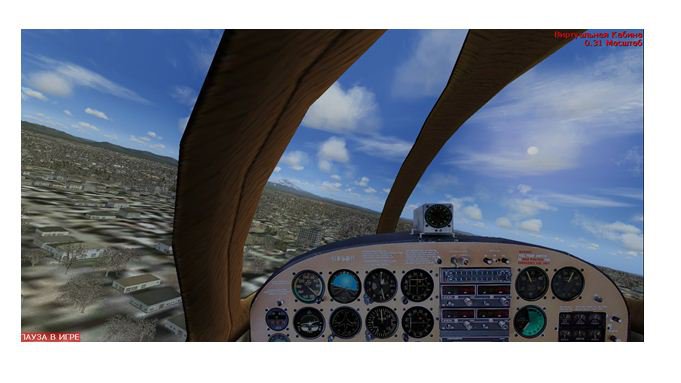
Итальянская амфибия выпущенная в ограниченном количестве в 60 годах. Хорошая динамика, оригинально сделан выпуск и уборка шасси. Приборная панель фотореалистичная, я не стал ее менять потому что там есть кнопка водяного руля. На воде при помощи этого руля он рулит очень шустро.
→ Size:
15 MB
→ Date:
11 years ago (06.01.2015 15:36)
→ Author:
Неизвестен
→ Approved by moderator:
1170ff8ee450e614b4b3735f6e28c1f3
→ License:
Freeware - Free version, Unlimited Distribution
→ Downloaded:
519 time(s)